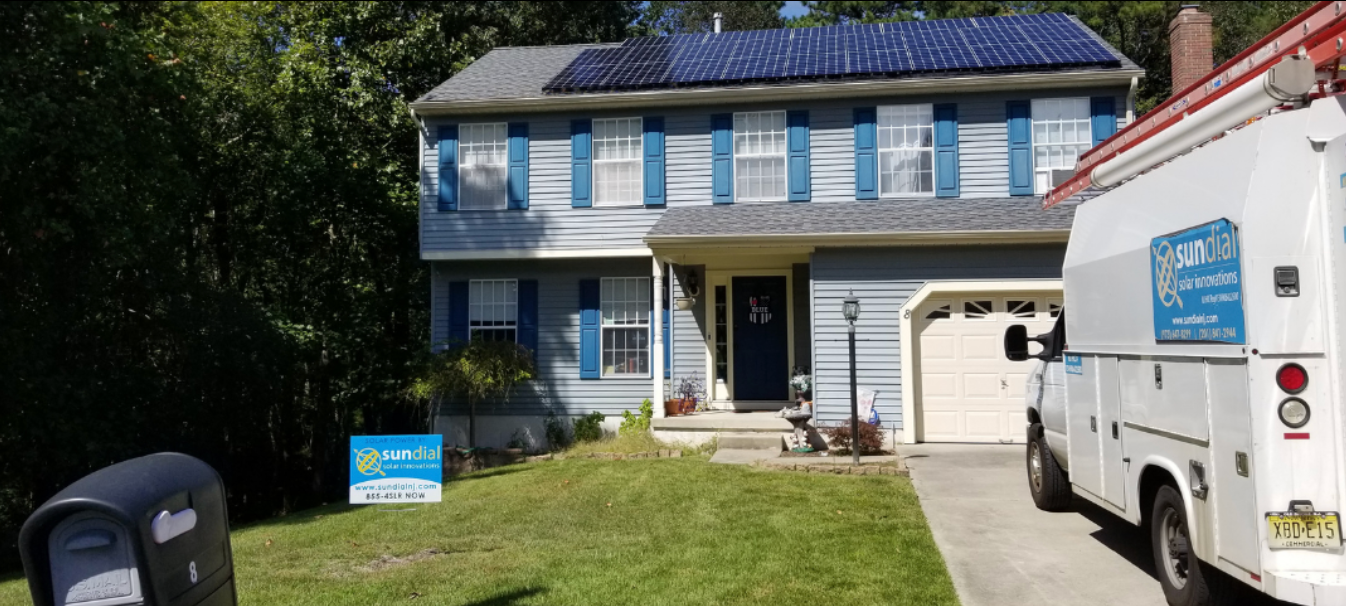
The Truth About Solar in New Jersey with Hilton from Sundial Solar
In this episode, we sit down with Hilton from Sundial Solar to debunk common myths about the solar industry in New Jersey. From the “free solar” lie to the critical importance of your roof’s condition, we cover everything a homeowner needs to know before signing a contract.
Introduction to the Solar Industry
Host: We have Hilton here from Sundial Solar. Hilton, tell us a bit about how you got started in the industry.
Hilton: It’s a long story short. I was looking for solar for my own house in Wharton, NJ. My wife was interviewing for a marketing position at a local solar company, and when they found out I had an HVAC and electrical background, they brought me in. I worked there for six years before starting my own company. I learned a lot about what to do—and more importantly, what not to do.
Does Solar Actually Save Money?
Host: The big question is: is it worth it? Are people really saving money?
Hilton: Yes, if you can afford to finance it or buy it outright. New Jersey has great programs. While some older incentives have changed, we still have the SREC (now T-Rex) program, which pays about $85 for every 1,000 kilowatt-hours you produce.
Financing vs. Leasing: The Hidden Risks
Host: What’s the difference between leasing and financing solar panels?
Hilton: I generally don’t recommend leasing.
-
The “Accelerator”: Most leases have a clause where payments go up 1-3% every year.
-
Benefit Theft: The leasing company keeps the 30% tax credit and the SRECs.
-
Ownership: They essentially own your roof for 20-25 years. Financing allows you to own the system and keep all the financial incentives.
The Importance of Your Roof’s Condition
Host: What happens if a homeowner has an older roof? Do companies still install solar?
Hilton: Some guys will install on a 15-year-old roof just to make the sale, but I won’t touch a roof older than 10 years. If the roof is in bad shape, you have to replace it first. Removing and reinstalling panels later costs anywhere from $150 to $300 per panel. On a large house with 50 panels, that is a massive, unnecessary expense.
Pro Tip: Don’t just trust the solar company’s “engineer.” They often only look at the structural weight load, not the actual condition of the shingles.
Solar Myths & Red Flags
Host: Let’s do some rapid fire. What is the biggest lie in the industry?
Hilton: That solar is “free.” All those ads promising free solar or “government-paid” systems are just marketing gimmicks to get your contact info.
Host: What about winter? Does solar work in the New Jersey snow?
Hilton: If there is snow physically covering the panels, they won’t work. But once it clears, you still get production in the winter. It’s a myth that solar only works in the summer; you just need sunlight.
Host: What separates a good install from a bad one?
Hilton: Aesthetics and integrity. A bad install has pipes running all over the roof and equipment far from the electrical tie-in. A good installer hides the conduit in the attic whenever possible. Also, avoid “north-side” installs—they just don’t produce enough energy to be worth it.
Final Advice for Homeowners
Hilton: Do your homework.
-
Ask about penetration seals and racking types.
-
Check if they are using new equipment (avoid panels under 400 watts, as they may be obsolete).
-
Make sure your electrical panel can handle the load before you sign.
Host: How can people find you?
Hilton: You can visit our website at sundialnj.com. All my customers have my cell number; I’m always in reach.
Key Takeaways for NJ Homeowners:
-
Avoid the “One-Call Close”: High-pressure sales are a major red flag.
-
Vet the Installer: Look for long-term reviews and ask for references you can actually call.
-
Check the Roof First: Solar is a 25-year investment; your roof needs to be able to go the distance.
 Skip to content