Teddy:
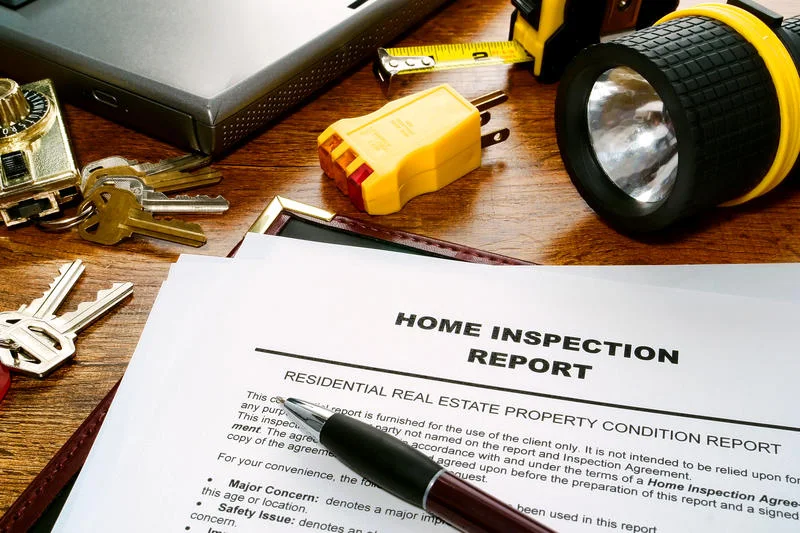
What would you say is the biggest issue homeowners should look out for when getting a home inspection done? What has the biggest impact on whether they should buy the house or maybe walk away from the deal?
Joe:
I’d say the number one thing is water or moisture issues. Whether it’s coming from the roof or the foundation, if you have moisture coming in, it can cause rot to the structure, mold, and all kinds of damage.
So, we’re checking the roof from the outside and from the attic, and in the basement or crawl space we’re looking for any signs of moisture coming in. Even plumbing leaks can cause major issues. So water is probably the top concern.
After that, it’s usually electrical issues—miswired outlets, open junction boxes, sometimes more serious problems like moisture getting into a main panel. We also see structural issues, like cracked foundations and cracked rafters. It’s a pretty wide range of potential problems.
And yes, we go through the house systematically. At this point my checklist is “up here” after 18 years, but my newer guys still use a written checklist. We’re checking heating, cooling, plumbing, electrical, structure, and we take our time going through everything.
We’re not only finding defects—we’re also educating clients. We show them where shutoff valves are for water and gas, how long a water heater might last, things to watch out for, and basic maintenance tips. It’s not just about problems; it’s about helping them understand the house.
Teddy:
Do you ever have homeowners call you just to inspect their current home because they’re thinking about selling and want to prepare it for sale?
Joe:
Yes, and it’s a very smart thing to do. I probably do 20–30 of those a year. That’s called a pre-listing inspection.
We can do it two ways:
- A “walk-and-talk” pre-listing inspection, where we walk through together and I point things out: “Fix this, you’ve got termites here,” and so on.
- Or a full written inspection report, just like for a buyer.
It’s smart for sellers because you can fix issues on your own timeline, without the pressure of a closing date. If you wait until the buyer’s inspection, you’re under the gun. They might retrade the deal, ask for big credits, or get sky-high quotes because everything is rushed.
If you know about issues beforehand, you can get multiple quotes, fix things reasonably, and go to market with fewer surprises. It leads to a smoother transaction and fewer deals falling apart because buyers get spooked—especially first-time buyers, who can get really scared by things like mold or water issues, even if they’re fixable.
I don’t know why more people don’t do pre-listing inspections. Some people don’t want to spend the money or think it’s unnecessary, but the smarter sellers do it and have much cleaner sales.
Teddy:
Let’s back up a bit. Tell everyone who you are, where you’re from, and how you got into home inspections.
Joe:
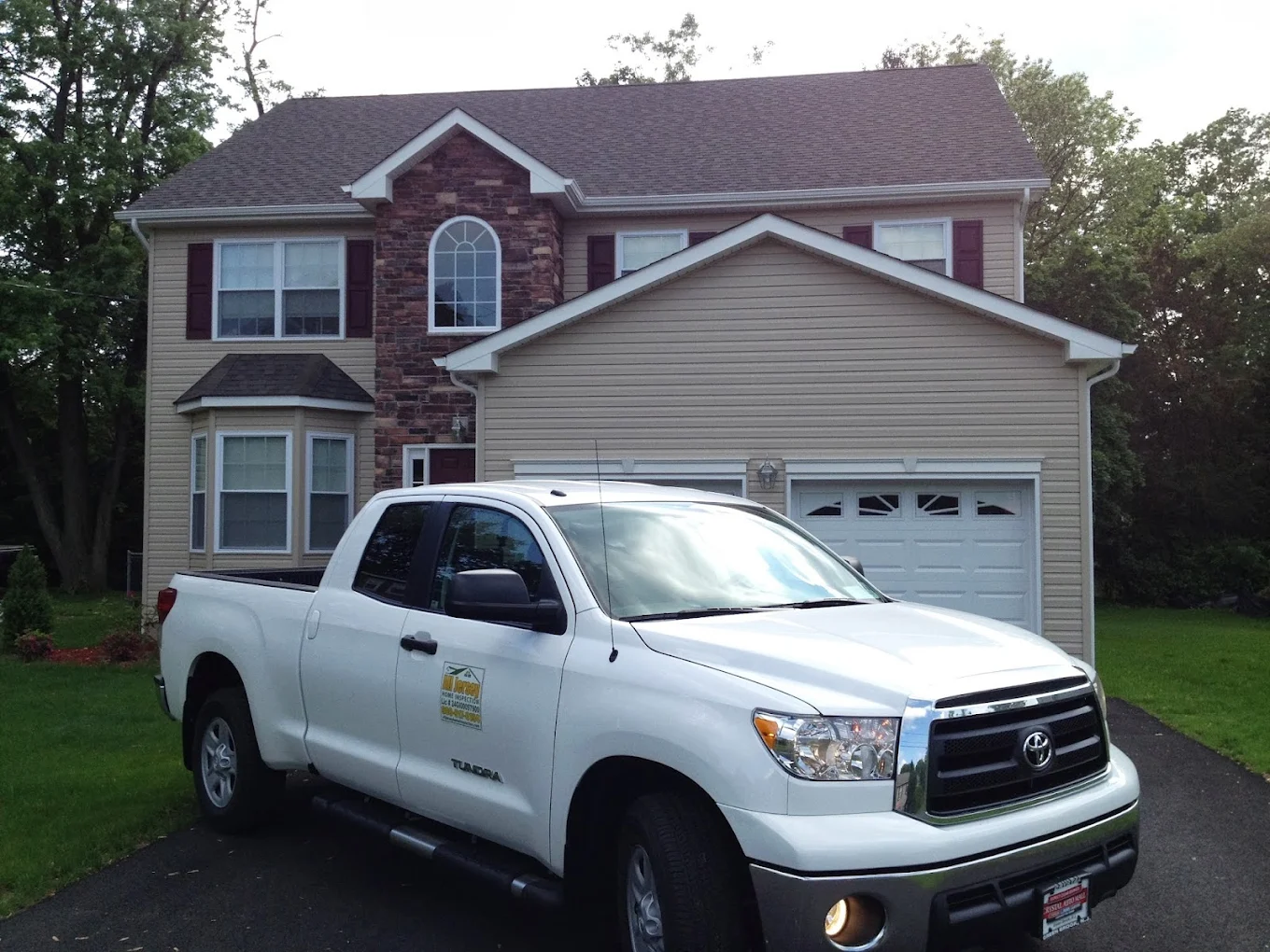
I’m Joe Arnold, owner of All Jersey Inspection. I’m from South Plainfield, New Jersey, and I’ve been doing inspections for about 17–18 years.
Before home inspections, I did a little bit of college but didn’t finish. I just wanted to find something where I could start making money right away. I was working construction and doing oil tank removals. I also had a Class A CDL and was driving a truck for Pepsi.
When I bought my first house, I had a home inspection done. I thought, “This is a pretty interesting process.” I decided to learn more, went to school for it, and finished the classroom part in a few months.
As soon as I was done with schooling, I jumped right into inspections with very little hands-on experience. I got my first job, barely knew what I was doing, but I put in the time and made it work. The first couple of years were slow, and I actually thought about getting out of it. But I decided to make a real push, stuck with it, and I’m glad I did.
Today I have a couple of inspectors working for me, we’re doing a lot of inspections, and I’m expanding and looking to bring on a few more guys.
Teddy:
Seventeen, eighteen years in one field—that’s a long time. You become an expert doing that many inspections. Are you still out there doing inspections yourself?
Joe:
Yes, I’m still out there every day, but I’m actively trying to pull myself out of doing all the inspections so I can work more on the business instead of in the business.
A typical inspection takes about 2.5–3 hours on site, plus a couple more hours to write the report. Then there’s driving to and from the property, and all the office work that has to be done. It’s a long process.
I love being out there and being part of the real estate transaction, but I’m at the point where I want to focus on higher-level business tasks. Still, it’s a great business and very rewarding. We’re helping people with what is usually the biggest investment of their lives, and I get to be part of that process every day.
Teddy:
Before inspections, you were doing oil tank removals. I think that’s a big advantage in your world, because a lot of inspectors say they do tank sweeps but don’t actually have tank experience. Can you talk about how your tank background sets you apart?
Joe:
Absolutely. My time doing oil tank removals turned out to be a huge advantage.
Because I actually removed tanks, I know where they tend to be located, how they’re usually piped, and what to look for when using a metal detector. That experience helps a lot when we’re doing tank sweeps.
There are guys out there using metal detectors who’ll pick up any piece of metal and call it an oil tank. They hit metal debris—like a random piece of steel or a 55-gallon drum lid—and suddenly the report says, “Possible underground tank.” That can blow up a real estate deal for no reason.
With my background, I can usually tell the difference between harmless metal debris and a real tank. That’s something you can really only learn from doing a lot of tanks in the field.
We also use GPR (ground penetrating radar) now. That lets us:
- Confirm the depth and dimensions of what we find
- See through rebar and reinforced concrete, which is huge in places like Jersey City and Newark
- Detect fiberglass tanks, which a metal detector might miss
We’ve found tanks with GPR that other inspectors, using only metal detectors, completely missed.
Because missing a tank is a huge liability for a buyer, we also carry pollution liability coverage on top of our regular home inspection insurance. If we ever missed a tank—which is unlikely, but possible—the insurance is there to protect the client. So yes, we guarantee our sweeps.
In New Jersey especially, a proper tank sweep is critical. Plenty of homeowners have lived 20–30 years with an underground tank in their yard and had no idea it was there until we found it. Many of those old tanks are leaking by the time they’re discovered.
Teddy:
Let’s shift to roofing, since that’s the industry I’m in now. When you’re doing home inspections, how do you handle the roof? Are you walking roofs, using drones, and what are you typically seeing for roof lifespans in New Jersey?
Joe:
The roof is always part of our inspection. I use a drone on many roofs. The drone technology today is incredible compared to what it was even six or seven years ago. I can zoom in and get really detailed views.
If it’s a low-pitch, single-story roof and conditions are safe, I still like to walk it. I actually prefer being on the roof when possible. But a lot of times it’s too steep, or it’s raining, snowing, or windy, so we rely on the drone for safety and access.
In terms of lifespan:
- A three-tab asphalt shingle is usually rated around 20 years. In reality, you start seeing problems at about that mark. You can repair and maybe squeeze another five years out of it, but typically 20–25 years is about it.
- An architectural shingle (like GAF Timberline) is often rated around 30–35 years. From what I’ve seen in the field, that’s pretty accurate, but again, you can sometimes push it with repairs.
At some point, though, you’re throwing money at repairs on a roof that really just needs to be replaced. That money would be better spent going toward a new roof.
And like you said, when a seller is preparing to list, patching a very old roof may just create mismatched shingles and make buyers ask for a full replacement anyway.
Teddy:
When you’re inspecting roofs, do you also look closely at ventilation?
Joe:
Yes, absolutely. Ventilation is a big deal and has a direct impact on how long the roof will last.
From the attic and from the exterior, we’re looking for:
- Soffit vents
- Ridge vents
- Gable vents
- Power vents
Newer homes often have a proper combination of intake and exhaust ventilation. Older houses might have solid soffits with no vents at all, or only a couple of gable vents. When we see that, we’ll recommend upgrading the ventilation.
Good ventilation keeps the attic cooler, reduces the amount of heat baking the shingles, and helps the HVAC system work more efficiently. Poor ventilation means the shingles are constantly overheating, expanding and contracting, and they’ll fail sooner. In my opinion, proper ventilation is one of the most important parts of a new roofing system.
Teddy:
Let’s talk about HVAC and other mechanicals. When you test these systems, you’re only there for a short period—what can buyers realistically expect from that?
Joe:
A home inspection is really a snapshot in time. We’re only at the house for a few hours.
For HVAC, I’ll typically:
- Run the system for 20–30 minutes
- Check the temperature differentials
- Listen for unusual noises
- Remove panels and look inside for signs of moisture, rust, or other issues
We also run plumbing fixtures for an extended period—showers, tubs, sinks—especially tiled showers and custom pans, which are notorious for leaking after a certain age.
We always look at the ages of equipment too. If a furnace or AC is at or beyond typical life expectancy, we’ll note that and tell the buyer to budget for replacement. It might last another year; sometimes you even see 30-year-old condensers still working. But buyers should be aware that a big expense may be coming sooner rather than later.
And yes, sometimes a seller’s contractor will recommend full system replacement when a repair would have been enough. That can skew people’s perception of what “normal” life expectancy is. We try to put it into context, explain the typical lifespan, and let buyers know what to expect financially down the road.
Teddy:
Every industry has good and bad operators. What should homeowners look for—and look out for—when hiring a home inspector?
Joe:
A few key things:
- Experience
You don’t want someone on their first day out of school inspecting your largest investment. Ask how long they’ve been in business and how many inspections they’ve done. - License and Insurance
Make sure they’re properly licensed and insured in New Jersey. That includes general liability and errors & omissions. In our case, we also carry pollution liability for tank sweeps. - Services Offered
We provide home inspections plus termite, radon testing, sewer scopes, air quality testing, tank sweeps, and more. Some part-timers only do a basic inspection and don’t handle radon, sewer, or tanks—so you end up calling multiple companies. - Reviews and Reputation
Check online reviews. We have over 500 Google reviews. That kind of track record tells you something about consistency and how clients feel about the service.
There are good and bad inspectors just like there are good and bad roofers, plumbers, or HVAC contractors. The biggest risk with an inexperienced or careless inspector is that they miss something major—a structural problem, a significant water issue, or an environmental concern like a buried tank.
Can even a good inspector miss something minor? Sure, it’s possible. But they shouldn’t miss the big stuff. That’s where experience and process really matter.
Teddy:
What does the typical process look like from the time a buyer calls you to when they receive the report?
Joe:
Most of our work is tied to real estate transactions, so timing is tight.
Here’s how it usually goes in New Jersey:
- The buyer makes an offer and goes into attorney review for about 3–4 days.
- Once they come out of attorney review, they typically have about 10 days to complete inspections.
- That’s when they call us and we get them on the schedule.
We don’t recommend doing the inspection before attorney review is complete, because the deal might not move forward. Once they’re out of review, it becomes a bit of a rush to get everything scheduled.
We keep plenty of time slots available and usually don’t book out more than about a week. After the inspection, the report is typically delivered very quickly—within about 24 hours in most cases—so buyers have what they need to negotiate or make their final decision.
Teddy:
When you find issues and recommend repairs or replacements, do you also refer contractors?
Joe:
Yes, but carefully. To avoid any conflict of interest, we do what realtors do with inspectors: we provide multiple options.
If there’s a plumbing issue, I’ll give them a few plumbers. Same with electricians, roofers, and other trades. If there’s someone I personally like or use at my own home, I might say, “This is the person I use,” but I still give more than one option.
We never want the client to feel like they’re being funneled to a single contractor, and we don’t want the blame if they’re unhappy with that contractor’s work.
Teddy:
What areas do you cover?
Joe:
The company name is All Jersey Inspection, and I’m working toward truly covering the whole state, but right now:
- We cover all of North Jersey
- All of Central Jersey
- Generally down to about Ocean County going south
We’re not really down by Atlantic City yet, but that may come later as we grow.
I have inspectors based in different areas—one in Bayonne, one in Marlboro, and another coming on in the Mercer County/Princeton area—so we can cover a pretty wide radius. It’s basically a guy in a truck; I’m happy to drive an hour or an hour and a half if needed.
Teddy:
How do you train your inspectors? You mentioned wanting them to do things the way you do.
Joe:
All of my current inspectors had no inspection experience before working with me. I prefer it that way, because I can train them from scratch to do things exactly the way I do.
They all:
- Complete the required schooling
- Get licensed (every inspector doing inspections in NJ must be individually licensed)
- Ride along with me on jobs
- Learn how I inspect, how I talk to clients, and how I write reports
I introduce them gradually to realtors by bringing them along on inspections so agents can get comfortable with them. Over time, they take on inspections themselves, following the same procedures and communication style.
We also have ongoing training. In New Jersey, we must complete 40 hours of continuing education every two years (about 20 hours per year). On top of that, if my guys have questions in the field, they FaceTime me and I walk them through it.
A couple of my inspectors have been with me 10+ years now, so they really know what they’re doing.
Teddy:
You’ve built a great reputation. You’ve got over 500 Google reviews, which is a big reason we wanted you in the directory. For homeowners watching or reading this, what’s the best way to contact you if they have questions or need an inspection?
Joe:
Anyone can reach me directly:
There’s a lot of information on the website, and if anyone has questions about a home they’re buying or selling, or about inspections in general, they can reach out anytime. We’re here to help people understand what they’re getting into with their largest investment.
Teddy:
Last question—since you’re from South Plainfield, give us a local restaurant recommendation.
Joe:
Recently we went to Turso’s in Metuchen, an Italian restaurant, and it was excellent. After that we went across the street to a Mexican place—also very good. It’s a nice area with some great spots to eat.
Teddy:
Awesome. Joe will be in the directory at teddyroofing.com/blackbook, where you can watch this episode and find all of his contact information. Joe, thanks for coming on.
Joe:
Thanks for having me, Teddy.
 Skip to content